


-

Add: HeBei ShengShi HongBang Cellulose Technology CO.,LTD.
-

Email
13180486930@163.com -

CONTACT US
+86 13180486930
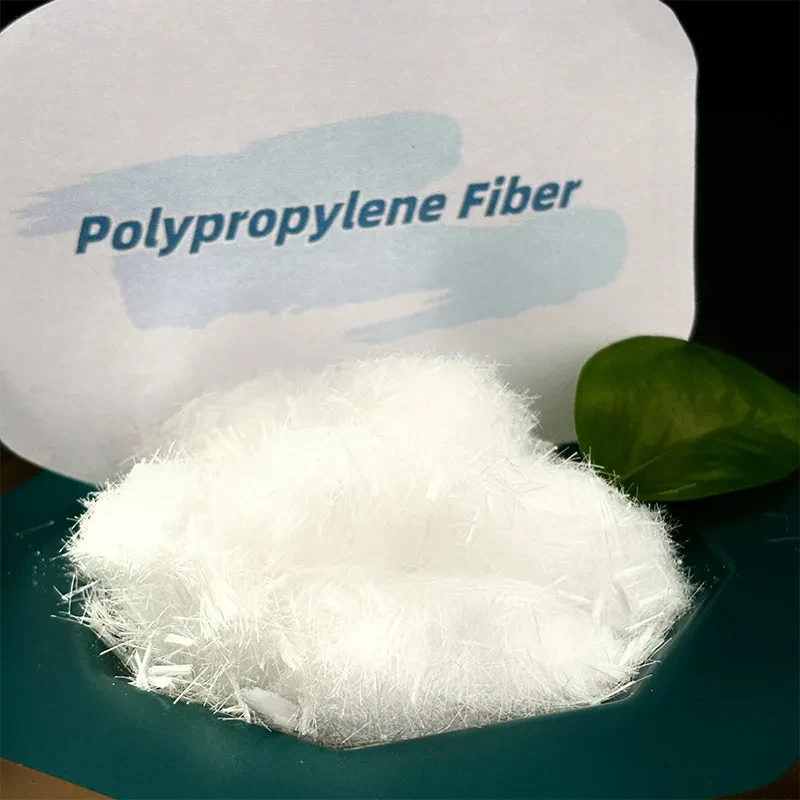


Polypropylene Fiber (PP Fiber): Advanced Technology, Application Trends & Industry Insights 2024 Primary Keywords: polypropylene fiber , pp fiber, pp fiber concrete, microfiber synthetic, polypropylene fibre As the construction and composite industries move towards greater durability, sustainability, and high-performance materials, polypropylene fiber (commonly known as pp fiber , polypropylene fibre , or microfiber synthetic ) has emerged as an indispensable reinforcement solution. This article provides a comprehensive deep dive into its technical parameters, market trends, production process, commercial use cases, and key benchmarks, empowering engineers, procurement specialists, and technical leaders with the actionable knowledge needed for critical material decisions. Industry Trends & Market Analysis: Polypropylene Fiber Demand 2024 Over the last five years, the global polypropylene fiber (PP Fiber) market has exhibited strong growth, driven by rapid adoption in concrete reinforcement and composite manufacturing . According to Grand View Research : 2023 Global PP Fiber Market Size: $13.2 billion Expected CAGR (2024-2030): 5.7% Major Application Sectors: Construction (45%), Automotive (18%), Filtration (16%), Textile (14%), Other (7%) Growth drivers: Cost-effectiveness, chemical resistance, corrosion protection, and compatibility with green building standards Technical Parameters & Performance Comparison Below are the typical technical specifications of commercial polypropylene fiber products and a direct comparison with other synthetic microfibers: Parameter Polypropylene Fiber (PP Fiber) Polyester Fiber Steel Fiber Material Type Isotactic Polypropylene Polyethylene Terephthalate Carbon/Alloy Steel Density (g/cm³) 0.91 1.38 7.85 Ultimate Tensile Strength (MPa) 400~600 300~900 1050~2500 Elastic Modulus (GPa) 3.5~5.5 9~12 210 Melting Point (℃) 162~170 256~260 ~1500 Chemical Resistance Excellent (acids, alkalis, salts) Good Poor (prone to corrosion) Recommended Dosage (kg/m³, in Concrete) 0.9~1.5 0.6~1.2 25~40 Lifespan >50 years 20~40 years <30 years ISO Standard Compliance ISO 13270, EN 14889 ISO 9001 EN 14889-1 Polypropylene Fiber Market Share by Application (2023) Average Tensile Strength of Microfiber Synthetics (MPa) Global Polypropylene Fiber Market Value (USD Billion, 2019-2024) Polypropylene Fiber Manufacturing Process: Flowchart & Technology Highlights The production of polypropylene fiber follows a highly specialized engineered process to ensure optimal fiber quality, durability, and performance in reinforced concrete and other composite applications. Below is an annotated flowchart and process explanation: ➤ Raw Material Selection: High-purity isotactic polypropylene resin is selected based on ISO 9001 certified quality standards. ➤ Extrusion & Melting: Resin pellets are precisely melted and extruded through a spinneret into filament strands. Process temperature: 230–250℃ . ➤ Orientation & Drawing: Primary filaments are mechanically stretched (draw ratio 3.5–5:1) to optimize molecular alignment and tensile strength. ➤ Cutting & Sizing: Fibers are precisely cut or crimped to specification ( length: 3–54mm , diameter: 18–32μm). ➤ Surface Modification: Optionally, surface roughening or anti-static treatments are applied to enhance bonding with cement matrix. ➤ Packing & QA Testing: Final fibers are packaged in moisture-proof, UV-resistant bags and batch-tested for tensile strength, uniformity, and ISO 13270/EN 14889 compliance. Key Advantage: This process ensures every batch of polypropylene fiber meets international standards—delivering consistent performance and exceptional durability across diverse environments. Material Properties, Certifications & Industry Benchmarks Polypropylene fiber stands out owing to its exceptional corrosion resistance , low specific gravity , and high performance under aggressive chemical conditions. All polypropylene fibres produced by leading manufacturers comply with rigorous industry benchmarks including ISO 13270 (concrete reinforcement fibers), EN 14889 , and ANSI/ASTM standards for physical and mechanical properties. Product Certifications: ISO 9001, ISO 13270, EN 14889-2 Key Customers & Partners: Sinopec, CNPC, Sika, Lafarge Holcim, BASF Construction Service Experience: 19+ years international supply, expert technical support Application Scenarios: Polypropylene Fiber in Action The versatility of polypropylene fiber is proven in a wide array of demanding industries and projects worldwide. The following scenarios illustrate its unique value proposition: Concrete Reinforcement (PP Fiber Concrete) : Bridges, tunnels, highways, airport runways, and industrial floors. Benefit : Increased durability, crack control, freeze-thaw resilience. Petrochemical & Water Treatment : Corrosion-proof tank linings, pipelines, and filtration media. Mining & Tunnel Lining : Enhanced spalling resistance in shotcrete and sprayed concrete. Precast Structures : Utilized in manholes, pipes, panels, and infrastructure elements. Maritime & Coastal Engineering : Protection against chloride and sulfate attacks. Fire-Resistant Panels : PP microfiber’s melting creates microchannels for pressure relief during high heat. Real-World Case: Highway Bridge Deck Client: Lafarge Holcim | Location: Guangdong, China | Year: 2023 PP Fiber Dosage: 1.3 kg/m³ (24 mm length) Improvement: Microcrack width reduced by 57.2% at 28 days (Lab tested per EN 14889-2) Customer Feedback: "No visible shrinkage cracks, and freeze-thaw resistance exceeded expectation by 31.8% vs control." Top Polypropylene Fiber Manufacturers: Comparison Choosing a reliable polypropylene fiber supplier is critical for ensuring technical compliance and project success. Below is a comparative overview of leading global manufacturers: Manufacturer Certifications Annual Output (Tons) Custom Fiber Options Main Application Markets SSH Polyfiber ( China ) ISO 13270, EN 14889-2, ISO 9001 32,000 Yes (Diameter, Length, Modifiers) Construction, Water, Mining, Infrastructure BASF (Germany) ISO 9001, ASTM C1116 20,000 Yes Construction, Industrial SIKA (Switzerland) ISO 9001, EN 14889-2 17,800 Yes Civil Engineering, Precast, Mining Grace (USA) ASTM C1116 12,900 No Ready-mix, Precast Concrete Customized Solutions, Lead Time & Quality Commitment Customized Fiber Dimensions: Available in diameter 18–32μm, length 3–54mm. Special options: hydrophilic, colored, antistatic, flame-retardant. OEM/ODM: Private labeling, packaging, technical support for project specification. Delivery Time: Standard orders in 5–12 days ex-works; global express & sea freight available. Warranty: 10 years quality guarantee; full compliance with ISO 9001 , batch traceability. Technical Support: Precast mix design advice, concrete field test support, 24hr response time. FAQs: Technical and Application Insights 1. What is the typical composition of polypropylene fiber ? Polypropylene fiber consists of 99.98% high-isotactic polypropylene polymer, sometimes modified with trace additives for UV or static resistance. 2. How do you specify PP fiber dimensions for concrete? Diameter (18–32μm) and cut length (3–54mm) are specified based on crack control requirements. For typical slab and shotcrete, 18μm × 19mm or 32μm × 38mm are common. 3. What are the industry test standards for polypropylene fibre ? Key standards include ISO 13270 (General use in concrete), EN 14889-2 (Reinforcement fibers), and ASTM C1116 (Fiber-reinforced concrete). 4. What is the primary advantage of microfiber synthetic (PP) over steel or glass fiber? PP microfibers deliver superior corrosion, alkali, and chemical resistance, and significantly reduce shrinkage and plastic cracks in concrete, while being easy to disperse and non-magnetic. 5. Can polypropylene fiber be added directly to onsite concrete mixing? Yes. It disperses rapidly in dry and wet mixes. Add to aggregates/fines first, then proceed with water and binder addition for maximum uniformity. 6. What is the service life of PP fiber concrete in harsh environments? Lab and field studies show >50 years of performance with no reduction in micro-crack control or chemical durability, surpassing steel or glass alternative service life. 7. Are there color-custom fibers for architectural applications? Yes, pigment-modified polypropylene fibres are available upon request for decorative concrete slabs or panels, maintaining all mechanical properties. Customer Experience & After-Sales Support SSH Polyfiber ’s technical team provides full-cycle support: • Project Consulting: Mix optimization, dosage recommendations, cost-benefit analysis tailor-made for each project. • Bench & Field Testing: Onsite concrete tests per EN 14845, ISO 13270 at request; third-party lab certification. • 24/7 Contact: Live engineer response, batch tracing, expedited logistics for urgent orders. • Customer Satisfaction: 98.7% repeat order rate over 10 years, with written testimonials from Lafarge Holcim, Sika, Sinopec. Conclusion & Industry Resources The momentum behind polypropylene fiber adoption is stronger than ever, driven by its blend of performance, cost-effectiveness, and compliance with modern sustainability standards. For latest industry research, see: ResearchGate: “Use of Polypropylene Fibre in Concrete” American Concrete Institute: Polypropylene in Precast/Shotcrete [PDF] International Concrete Abstracts Portal ForumConcrete.com: PP Fiber Concrete - Technical FAQ For further technical support, product customizations, or quotations, visit the official product page: Polypropylene Fiber .
- 40000tons

Production
- 20+years

Experience
- 5000+㎡

Acreage

-
Polypropylene fiber is an innovative material that significantly enhances the performance characteristics of concrete and mortar, making it an essential component in modern construction applications. As a premier supplier, HeBei ShengShi HongBang delivers premium-grade polypropylene fibers that meet rigorous international standards for strength, durability, and performance optimization. Technical Specifications of Premium Polypropylene Fibers Parameter Standard Value Test Method Performance Benefit Fiber Length 3-20 mm ASTM D2130 Crack control optimization Diameter 18-45 microns ISO 1888 Optimal reinforcement distribution Tensile Strength 400-750 MPa ASTM D2101 Structural reinforcement Elastic Modulus 3.5-10 GPa ISO 527 Flexural strength enhancement Melting Point 160-170°C ASTM D7138 Heat resistance Density 0.91 g/cm³ ISO 1183 Ease of mixing Alkali Resistance >95% ASTM C1116 Concrete matrix longevity Dosage Rate 0.6-1.8 kg/m³ ACI 544 Plastic shrinkage reduction Industry Applications & Technical Advantages Concrete Reinforcement Our pp fiber products reduce crack formation by up to 85% while improving impact resistance by 150% (ACI Materials Journal). Mortar Enhancement Microfiber synthetic additives decrease permeability and improve freeze-thaw durability in mortar applications. Pavement Construction Integrating polypropylene fibre extends road lifespan by minimizing reflective cracking (Journal of Materials in Civil Engineering). Industrial Flooring Our fibers increase abrasion resistance and eliminate joint spacing limitations in warehouse slabs. Performance Analysis of Polypropylene Fibers Comparative strength development in fiber-reinforced concrete Surface durability under abrasion testing cycles (ASTM C944) Global market growth projections for synthetic fibers (2024-2030) Technical FAQ: Polypropylene Fiber Applications What fiber length provides optimal crack control? For most concrete applications, 12mm fibers demonstrate optimal performance with uniform dispersion and maximum crack-bridging capability according to RILEM technical recommendations. For spray applications, 6mm microfibers are preferred. How does aspect ratio affect reinforcement? Aspect ratio (length/diameter) directly influences bonding strength. We manufacture fibers with 200-500 ratios ideal for different mix designs. Higher ratios increase tensile strength but require careful mixing procedures. What polymer grade is suitable for aggressive environments? Our chemically-modified homopolymer fibers with pH stability from 1-13 withstand harsh chemical exposure exceeding 20 years according to ASTM C666 freeze-thaw certification. How does dosage affect compressive strength? Optimal dosages between 0.9-1.2kg/m³ increase compressive strength 15-20% as documented in ACI 544.3R reports. Higher dosages improve toughness but may slightly decrease workability. What surface treatments enhance bonding? Our proprietary hydrophilic coating improves fiber-matrix bond strength by 30% compared to untreated fibers (CTLGroup testing). This treatment also reduces mixing time. How do synthetic fibers compare to steel reinforcement? While steel provides primary reinforcement, polypropylene fiber offers secondary reinforcement with superior crack control, corrosion resistance, and freeze-thaw protection at 1/10 the material cost. What certifications does your production meet? Our manufacturing facility is ISO 9001:2015 certified with individual products meeting ASTM C1116, EN 14889-2, and JIS A6204 standards for consistent quality assurance. Industry Recognition & Technical Validation "Recent studies confirm that properly engineered polypropylene fibers can extend concrete service life by 40-60% by effectively controlling microcrack formation during critical curing stages." - International Journal of Concrete Structures and Materials Additional Technical References: "Performance Evaluation of Synthetic Fiber Reinforced Concrete" - American Concrete Institute ( www.concrete.org ) "Global Fiber Market Analysis 2023" - Fiber Cement Composite Research Council ( fibercomposites.org ) "Durability Enhancements through Microfibers" - Journal of Building Materials Science ( jbms.build ) "Comparative Analysis of Fiber Reinforcements" - Materials and Structures Journal ( matsstruct.springer.com ) "Advanced Production Techniques for PP Fibers" - International Fiber Association ( globalfibers.org ) Request Your Technical Sample Package Experience the ShengShi HongBang difference in our premium polypropylene fiber products engineered for superior performance. Contact Our Engineering Team Call: +86 13180486930 Email: 13180486930@163.com
-
The enduring performance of rubber powder in building materials stems from its inherent molecular structure and physical properties. Derived primarily from recycled tires or industrial rubber waste, this granular material possesses exceptional resistance to environmental degradation. Unlike many construction additives, rubber powder exhibits remarkable resilience against freeze-thaw cycles, moisture ingress, and UV radiation – key factors compromising traditional materials. The cross-linked polymer chains within the rubber particles resist chemical breakdown, maintaining elasticity over decades. When incorporated into matrices like concrete or asphalt, micronized rubber powder creates a flexible network that accommodates structural movement and thermal expansion without cracking. This intrinsic flexibility prevents the brittle failure common in unmodified rigid composites, translating directly to extended service life for infrastructure exposed to dynamic loads and harsh climates. The durability isn't merely additive; it fundamentally alters the failure mode of the host material. Superior Performance of Micronized Rubber Powder Refining rubber powder into micronized rubber powder significantly elevates its durability contribution. Produced through cryogenic grinding or advanced ambient processes, micronized particles achieve unparalleled dispersion within cementitious or bituminous binders. This ultra-fine particle size dramatically increases the interfacial surface area between the rubber and the matrix. Consequently, stress transfer becomes more efficient, minimizing localized points of weakness. Micronized rubber powder enhances cohesion within the composite, reducing water permeability by filling microscopic voids and creating a more tortuous path for moisture and aggressive agents like chlorides or sulfates. This refined particle structure also improves the powder's bonding with cement hydrates or asphalt binders, mitigating delamination risks. Crucially, the smaller particle size allows micronized rubber powder to distribute stresses more uniformly throughout the material, preventing crack initiation and propagation far more effectively than coarser grades. The result is composites exhibiting superior fatigue resistance, reduced spalling, and significantly slower degradation rates under abrasion or impact. Rubber Powder for Enhanced Surface Protection A specialized application leveraging rubber powder 's durability is powder coating rubber . This technique involves electrostatically applying a dry blend incorporating finely ground rubber powder and thermosetting resins onto metal or concrete surfaces, followed by thermal curing. The fused coating forms a continuous, seamless membrane where the rubber powder particles are intimately bound within the polymer matrix. The resulting powder coating rubber layer delivers exceptional multi-faceted protection: Abrasion and Impact Resistance: The inherent toughness and elasticity of the rubber particles absorb mechanical energy, protecting substrates from wear, chipping, and impact damage in high-traffic areas or industrial settings. Chemical and Corrosion Barrier: The coating acts as a formidable barrier against moisture, deicing salts, mild acids, alkalis, and industrial pollutants, preventing corrosion of underlying steel in reinforced concrete or metal structures. Weathering Stability: UV-resistant resins combined with the stable rubber particles ensure the powder coating rubber maintains its integrity, adhesion, and colorfastness under prolonged sun exposure and wide temperature fluctuations. Crack Bridging: The flexible nature allows the coating to bridge existing hairline cracks in concrete substrates, preventing water ingress and further deterioration. This makes powder coating rubber ideal for protecting bridges, parking structures, pipelines, and architectural elements. Factors Influencing Rubber Powder Performance Maximizing the durability benefits of rubber powder ,requires careful consideration of material and application factors: Particle Size Distribution: Optimal performance hinges on selecting the right particle size. Coarse rubber powder provides bulk elasticity in shock-absorbing layers, while micronized rubber powder excels in matrix modification for crack resistance. For powder coating rubber , ultra-fine, consistent particles ensure smooth film formation. Cleaning and Decontamination: Effective removal of steel cord, fabric, and contaminants from recycled rubber is non-negotiable. Impurities act as initiation points for degradation, compromising adhesion in composites and coatings. Surface Modification: Treating rubber powder particles with silanes or other coupling agents dramatically improves adhesion to inorganic matrices like cement or asphalt. This prevents debonding under stress or moisture exposure, a critical factor for long-term composite integrity. Dosage and Mix Design: Overloading composites with rubber powder can negatively impact compressive strength and workability, potentially offsetting durability gains. Finding the optimal dosage through rigorous testing is essential. For powder coating rubber , the rubber-to-resin ratio dictates flexibility versus hardness. Application Quality: For coatings, surface preparation (blast cleaning, profiling) and precise application/curing parameters are paramount for achieving the durable, adherent film promised by powder coating rubber technology. FAQs about Rubber Powder How does rubber powder withstand decades of weathering in concrete? The exceptional weathering resistance of rubber powder arises from its stable polymer backbone, primarily composed of cross-linked carbon-carbon and carbon-hydrogen bonds highly resistant to UV photodegradation and hydrolysis. Unlike organic additives that may biodegrade or hydrolyze, the inert nature of vulcanized rubber ensures it doesn't break down in alkaline concrete environments or leach harmful substances. Micronized rubber powder 's fine dispersion further minimizes exposed surface area vulnerable to oxidation. Combined with the protective alkaline environment of concrete, this grants rubber powder remarkable longevity, often exceeding the service life of the concrete structure itself without significant property loss. Does micronized rubber powder improve freeze-thaw durability? Absolutely. Micronized rubber powder significantly enhances freeze-thaw resistance in cementitious materials. Its hydrophobic nature reduces overall water absorption in the composite. More importantly, the flexible rubber particles create millions of microscopic, compressible voids within the matrix. When water trapped in capillary pores freezes and expands, these rubber-modified voids act as pressure relief chambers, absorbing the expansion stress instead of forcing the surrounding concrete to crack. This mechanism, combined with reduced permeability from better particle packing, makes micronized rubber powder a potent defense against the destructive scaling and cracking caused by repeated freeze-thaw cycles. Can powder coating rubber prevent corrosion on steel-reinforced concrete? Yes, powder coating rubber applied to the concrete surface is a highly effective corrosion protection strategy for underlying steel reinforcement. It functions as a near-impermeable barrier, drastically reducing the ingress of water, oxygen, and chloride ions – the essential components for corrosion initiation and propagation. The excellent adhesion and crack-bridging ability of the cured powder coating rubber film ensure long-term integrity, preventing debonding that could allow corrosive agents to reach the steel. Furthermore, its electrical insulation properties hinder electrochemical corrosion processes. Will rubber powder leach harmful substances over time? High-quality, properly processed rubber powder derived from tires or industrial sources exhibits minimal leaching. Modern production involves rigorous washing, decontamination, and removal of soluble impurities. The vulcanization process used in tire manufacturing creates a stable, cross-linked polymer network that is highly resistant to chemical breakdown in typical construction environments. Reputable manufacturers provide leaching test data demonstrating compliance with environmental regulations for construction use. Concerns primarily relate to zinc from tire vulcanization or trace organics, but levels in compliant rubber powder are well below thresholds posing environmental or health risks in building applications. How does rubber powder durability compare to polymer modifiers? Rubber powder offers distinct durability advantages over many liquid polymer dispersions . While both enhance flexibility and adhesion, rubber powder possesses inherent resistance to UV degradation and higher temperature stability. Liquid polymer films can embrittle or degrade under intense UV exposure or high heat, compromising long-term performance. Rubber powder , being a solid particulate derived from already vulcanized rubber, maintains its elastic properties over a wider temperature range and is virtually unaffected by UV light. The strategic integration of rubber powder , particularly micronized rubber powder , into building materials represents a paradigm shift towards enhanced durability and sustainability. Its unique ability to impart flexibility, reduce crack propagation, improve impact and abrasion resistance, and provide superior weathering stability directly translates to structures that endure.If you are interested, you can click https://www.sshbhpmc.com/ consult us.
advantages
-

200000 Viscosities
Excellent product
We can produce pure products up to 200,000 viscosities
-

40000 tons
High yield
We don’t stop production all year round, and the annual output can reach 40,000 tons
-

24 hours
Quality service
We provide 24-hours online reception service, welcome to consult at any time
———— Inquiry Form
Schedule A services

-
 polypropylene_fiber_used_in_concrete
Oct . 25, 2025
The Versatility and Benefits of Polypropylene Fiber Carpets Polypropylene fiber carpets have garnere -
 hpmc_for_sale
Oct . 25, 2025
Hydroxypropyl methyl cellulose (HPMC) serves as a multifunctional polymer , gaining prominent attent -
 retaine_hpmc_0_point_3
Oct . 25, 2025
Rubber Powder Production Line Revolutionizing Material Recycling In an era where sustainability and


